Lightweight construction

Lightweight material construction, structural lightweight construction and conditional lightweight design

Lightweight construction offers a huge potential for resource-efficient mechatronic systems. Lightweight construction does not only imply lower weight of moved assembly groups, it is also a synonym for ideal load-oriented use of materials and design principles. In this context construction methods of nature are imitated such as cellular structures in metal foams or composite designs such as sandwich structures and fiber composites for bionic design of mechanical assembly groups. For example, we apply additive manufacturing processes such as 3D laser beam melting or 3D printing, opening up entirely new possibilities in terms of geometry, material and number of pieces.

  • Development and calculation of lightweight structures
  • Design/utilization of metal fiber composite hybrid components
  • Metal foam: technology, prototypes, small series

How does lightweight construction work?

Through customized material selection

The targeted selection and combination of materials play a decisive role in lightweight construction and can significantly enhance the efficiency and performance of lightweight structures. Our goal is to identify materials and component designs that not only enable weight reduction but also ensure the required functionality and safety at an economically viable cost.

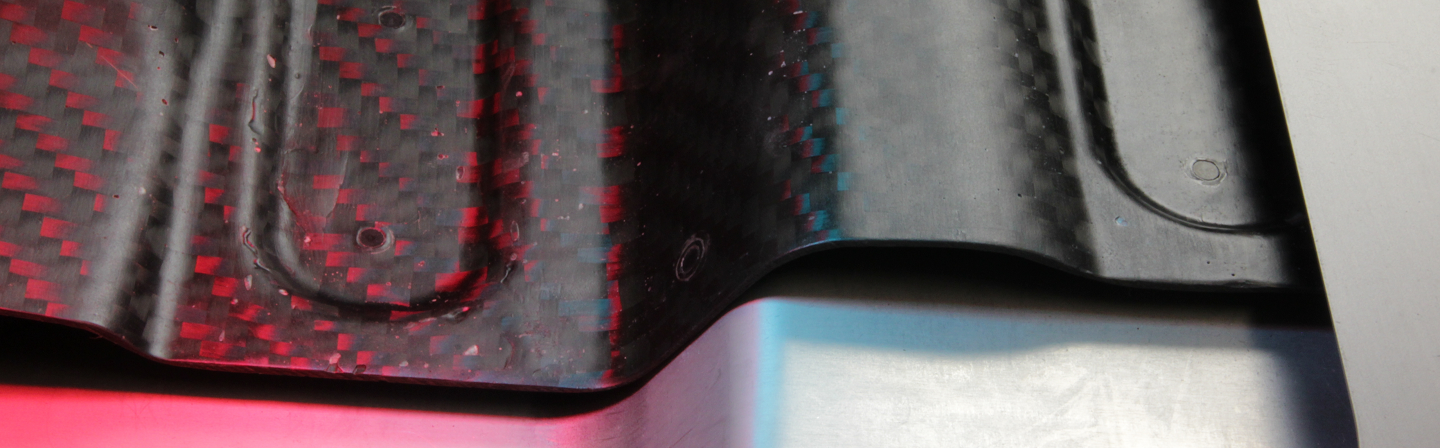
Whether light metals, metallic foams, carbon, glass or aramid fibers, or hybrid solutions combining metal and plastics, we develop the optimal lightweight design solution for our customers - without being restricted to a specific material.

read more

Through innovative manufacturing and joining technologies

The use of lightweight materials makes it necessary to adapt existing manufacturing and joining technologies to new materials. We take a holistic view of the process chains, develop solutions for the technology and peripheral levels, and accompany you from the initial idea to series production.   

read more


Through functional integration

By researching processes that enable functional integration into the interior of a component, we create complex structures with integrated sensor-kinematic-actuator systems that are used in wearables, orthotics, robotic structures, shape morphing, and other applications. The methods and technologies developed are used, for example, in automotive engineering, consumer goods, aerospace, and medical products.

read more

Through intelligent design

The design of a component plays a decisive role in lightweight construction. By adapting the geometry of a component to the loads it is subjected to, its weight can be significantly reduced. We apply state-of-the-art development approaches such as topology optimization and bionic design.

Topology optimization adapts the shape of a component so that material is used only where it is required to withstand the applied loads. This approach minimizes weight while maximizing structural efficiency.